Skills
Skills can be taught
First of all, it is important to emphasize that skills can be taught
- Leadership is a skill, so it can be taught
- Resilience is a skill, so it can be taught
Get a Mentor
Having one or more mentors that have large experience in the things you lack experience and knowledge is the way to learn those skills faster. It can be technical skills or not.
Networking
If you surround yourself with people who are far smarter than you and you can learn from them it will help you in your Journey. You can learn from them and be challenged.
Leadership
- Leaders sell their vision
- Leaders inspire
- Leaders drive others to give their best
- Leaders create productive conflict
Sell (Pitching)
You are always selling your business (to your parents, friends, business partners, employees, and potential investors), that is why you need always to keep your Pitch sharp.
Communication
- Learn to Synthesize - avoid wasting time by communicating clearly and in a succinct way
- Learn to adequate the message to the receiver - Different receivers might need a different message and/or channel
- Communicate only enough to give context and be transparent
- Everyone should know the Vision and Strategy to get there
- Everyone should know what each other is working on and how they are contributing to the Strategy
To help improve Communication study
- Communication Theory
- Elements of Communication
Time Management
It helps to
- Set SMART Goals - SMART stands for Specific, Measurable, Achievable, Realistic, and Timely
- Specific: what do I want to accomplish?
- Measurable: how will I know when it is accomplished?
- Achievable: how realistic is this goal, based on my workload and resources?
- Realistic: does this align with our overall priorities?
- Timely: what is my target date?
- Set Priorities
- Plan your week and/or day
Techniques
- Timeboxing
- Pomodoro
- Getting Things Done (GTD)
Decision Making
- Always try to get data / information to back your decisions, but sometimes you will find yourself without any help on that matter.
- Separate daily basis decision making from future impacting decision making. The first one you should do as fast as possible and the second one you should work on it to make an informed decision.
- But don’t take too long to make decisions.
- The faster you decide, the faster you learn from it.
- Most decisions are not definite and you can make up your mind later.
References
Recommended Books
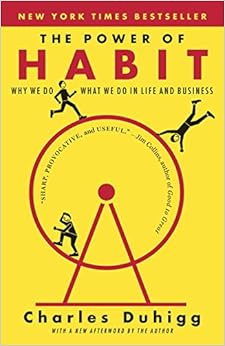
|
The Power of Habit - by Charles Duhigg Why We Do What We Do in Life and Business 
|
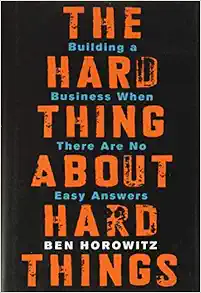
|
The Hard Thing About the Hard Things - by Ben Horowitz Building a Business When There Are No Easy Answers
|
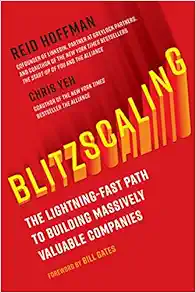
|
Blitzscaling - by Reid Hoffman (founder of Linkedin) The Lightning-Fast Path to Building Massively Valuable Companies
|
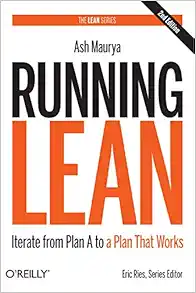
|
Running Lean - by Ash Maurya Iterate from Plan A to a Plan That Works Original Version Launch Year: 2010
|
|
Key takeaways |
|

|
The Lean Startup - by Eric Ries How Today’s Entrepreneurs Use Continuous Innovation to Create Radically Successful Businesses Original Version Launch Year: 2008
|
|
Key takeaways |
|

|
Business Model Generation - by Alexander Osterwalder A Handbook for Visionaries, Game Changers, and Challengers Original Version Launch Year: 2008
|
|
Key takeaways |
|
|
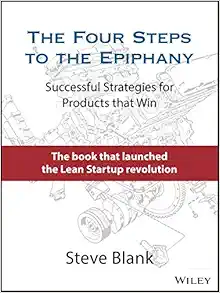
The Four Steps to the Epiphany - by Steve Blank Successful Strategies for Products that Win Original Version Launch Year: 2005
|
|
Key takeaways |
|
