Co-founder Dynamics
Choosing a Co-Founder
They say that having a co-founder is like a marriage and that is not far from the truth. Think that this person is someone you will be together on a daily basis and in the beginning even more. It is very hard and costly to try to get rid of a co-founder.
Think of ways to try this relationship first and I know that this is not always possible. But don’t think that joining with someone you know will reflect in an easier business relationship.
Keep in mind when looking for a co-founder that you both…
- share the SAME VALUES
- can discuss things you disagree with and get to an agreement
- have the same understanding of Culture
- have a growth mindset
For a Tech Company is also very important that you both have a similar mindset around how to build products, Engineering, and Product Management.
They never teach us why VALUES are important, but you learn along the way that people that do not have the same values can never be business associates. VALUES are the base of building a Company and its Culture (I will explore this later on Company Building).
Nowadays we say a lot about “hiring for values”. So if you think that hiring for values is important you must also choose a co-founder based on the same values.
Maintain a Good Relationship
It is very important to build an off-company relationship so that you get to know each other better, understand each other’s moment and build empathy. This way will be easier to have each other’s back whenever necessary and focus on being a team. Otherwise in difficult moments you might turn against each other.
Suggestions:
- Have lunch together every possible time
- Have dinner often and invite both families
- Take time to get a coffee
But in those moments you must AVOID discussing company issues.
Want to rid of your Co-founder?
Have you ever felt one of these feelings towards your co-founder?
- Talking to him is like talking to the wall. Everything you agree to is ignored the next day forward
- Every initiative you try to put in place seems far harder than it was supposed to as if you are being boycotted
- There is no common ground when you talk about priorities
- You don’t have the same vision and/or mindset to execute it
If you have never gone through this, imagine how bad it can become when:
- you have investors;
- you are not the CEO;
- and most of your employees feel like a family to you.
As I mentioned before there is no easy way to get around this situation. So AVOID IT by choosing carefully your co-founder.
In my case, when it got to this point (and it was intensified because we were having problems with the technology), I decided to quit my Startup and sell my shares.
References
Recommended Books
|
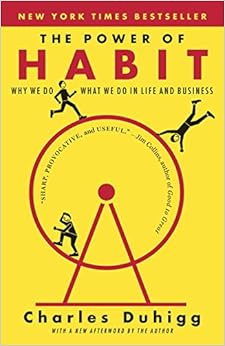
The Power of Habit - by Charles Duhigg Why We Do What We Do in Life and Business 
|
|
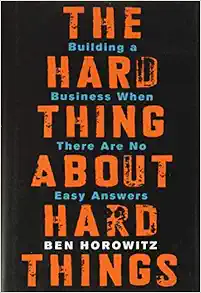
The Hard Thing About the Hard Things - by Ben Horowitz Building a Business When There Are No Easy Answers
|

|
Blitzscaling - by Reid Hoffman (founder of Linkedin) The Lightning-Fast Path to Building Massively Valuable Companies
|

|
Running Lean - by Ash Maurya Iterate from Plan A to a Plan That Works Original Version Launch Year: 2010
|
|
Key takeaways |
|

|
The Lean Startup - by Eric Ries How Today’s Entrepreneurs Use Continuous Innovation to Create Radically Successful Businesses Original Version Launch Year: 2008
|
|
Key takeaways |
|

|
Business Model Generation - by Alexander Osterwalder A Handbook for Visionaries, Game Changers, and Challengers Original Version Launch Year: 2008
|
|
Key takeaways |
|
|
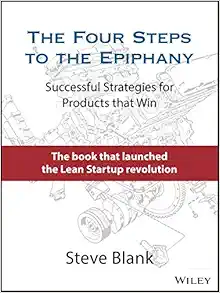
The Four Steps to the Epiphany - by Steve Blank Successful Strategies for Products that Win Original Version Launch Year: 2005
|
|
Key takeaways |
|
